706 Frederick Street, Santa Cruz, CA 95062


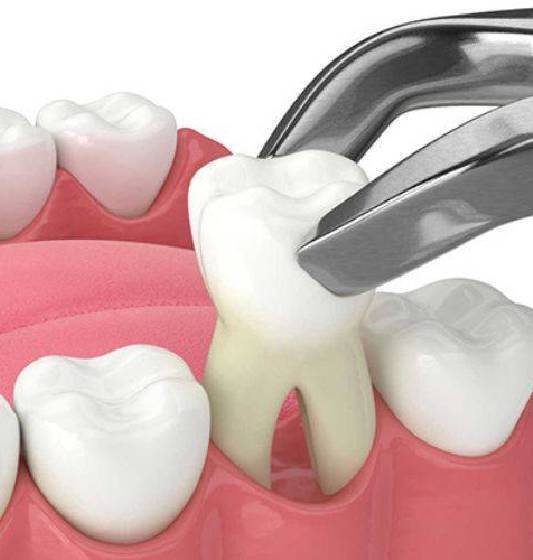
Having a tooth extracted can bring relief when a damaged, infected, or problematic tooth is causing discomfort. But once the procedure is over, the healing process is just beginning. What you do during the first few days can make a meaningful difference in how comfortably your mouth recovers.
A little tenderness, mild swelling, and some bleeding can be normal after an extraction. The key is to protect the blood clot that forms in the tooth socket, keep the area clean without disturbing it, and give your body time to repair the tissues. The American Dental Association recommends avoiding smoking, vigorous rinsing, and straws after an extraction because these actions can interfere with healing.
At Aura Marcela Torres DDS in Santa Cruz, CA, Dr. Abbas and Dr. Aura Marcela Torres provide personalized dental care and can guide you through the recovery process based on your specific extraction and oral health needs.
Protect the Blood Clot During the First 24 Hours
The blood clot that forms in the extraction socket is an important part of natural healing. Think of it as your mouth’s first protective covering over the area where the tooth was removed. It helps control bleeding and protects the underlying tissues while healing begins.
For the first 24 hours, avoid anything that could disturb the clot. Do not rinse vigorously, spit forcefully, poke the extraction site with your tongue or fingers, or drink through a straw. These actions can create pressure or movement around the socket and may dislodge the clot.
If your dentist places gauze over the extraction area, follow the instructions you receive regarding how long to keep pressure on the site. A small amount of blood in your saliva can occur during recovery, but persistent or heavy bleeding should be discussed with your dental office.
Choose Soft, Comfortable Foods
Your mouth may feel tender after an extraction, so this is not the time to challenge yourself with crunchy chips or a tough steak. Soft foods can make eating more comfortable while reducing the amount of chewing required near the extraction site.
For the first few days, consider options such as:
- Mashed potatoes
- Scrambled eggs
- Yogurt
- Applesauce
- Soft pasta
- Smooth soups that are not hot
- Oatmeal
- Soft cooked vegetables
- Smoothies eaten with a spoon rather than a straw
Try chewing on the opposite side of your mouth whenever possible. Also be careful with hot foods and beverages while the area is numb, since you may not immediately notice a burn. Soft foods are commonly recommended during the early recovery period after an extraction.
As your mouth becomes more comfortable, you can gradually return to your usual diet according to your dentist’s instructions.
Avoid Smoking and Vaping While Your Mouth Heals
Smoking is one habit worth putting on hold after a tooth extraction. Tobacco use can interfere with healing and increase the risk of developing dry socket. Smoking can also reduce blood flow to the healing tissues.
Vaping should also be avoided during recovery. The suction involved and the effects of inhaled substances can be unfavorable for a fresh extraction site.
Different extractions can have different recovery requirements, so ask your dentist how long you should avoid smoking or vaping. The longer you can avoid tobacco during the healing period, the better.
Keep Your Mouth Clean Without Disturbing the Socket
Good oral hygiene still matters after an extraction. However, the extraction site needs a gentler approach while it heals.
Continue brushing the rest of your teeth, but be careful around the area where the tooth was removed. On the day of the extraction, avoid vigorous rinsing unless your dentist has given you different instructions. Beginning the following day, your dentist may recommend gentle warm salt-water rinses to help keep the area clean.
When rinsing, avoid aggressive swishing. Instead, allow the solution to move gently around your mouth before letting it fall out without forceful spitting.
This small change in technique can help you maintain oral hygiene while minimizing disruption to the healing socket.
Manage Pain and Swelling Carefully
Some discomfort after an extraction is expected, particularly during the first couple of days. Swelling can also occur and may temporarily make the area feel tight or tender.
Your dentist may recommend an appropriate pain-relief option based on your medical history and the type of extraction you had. Follow the instructions provided by your dental team and never take more medication than directed.
For swelling, a cold compress against the outside of the cheek can provide comfort during the early recovery period. Resting and avoiding strenuous physical activity can also be helpful. Some post-operative guidance recommends avoiding strenuous activity for the first 24 to 72 hours, depending on the procedure.
If your pain or swelling begins getting significantly worse rather than gradually improving, contact your dentist.
Give Your Body Time to Heal
It can be tempting to return to your normal routine immediately after an extraction, especially if you are feeling reasonably well. However, the extraction site is still healing beneath the surface.
Take it easy on the day of your procedure. Avoid heavy lifting and strenuous exercise during the initial recovery period. Resting gives your body an opportunity to focus on healing rather than dealing with additional physical strain.
Remember that recovery is not identical for everyone. A simple extraction may heal more comfortably and quickly than a surgical extraction or removal of a difficult tooth. Your dentist can explain what to expect based on your procedure.
Know the Warning Signs of Dry Socket
Dry socket is one of the complications patients are often advised to watch for after a tooth extraction. It occurs when the protective blood clot is lost or does not develop properly, leaving the underlying bone and nerves exposed. This can cause significant pain and delay healing.
Possible warning signs include pain that becomes noticeably worse after initially improving, pain that does not respond adequately to recommended pain relief, an unpleasant taste or odor, or discomfort that seems to radiate from the extraction area.
Smoking, vigorous rinsing, using a straw, and disturbing the extraction site can increase the risk of disrupting the clot.
If you suspect dry socket, do not try to treat the extraction site yourself. Contact your dentist so the area can be evaluated and treated appropriately.
Watch for Signs of Infection
Most extractions heal without major complications, but it is important to pay attention to changes that seem unusual.
Contact your dental office if you develop increasing pain or swelling, a fever, an unpleasant discharge or taste, or other symptoms that concern you. Infection-related symptoms may sometimes become more noticeable several days after surgery rather than immediately.
Persistent or heavy bleeding should also be evaluated, particularly if firm pressure does not control it.
Your dentist can determine whether your symptoms are part of normal healing or require additional care.
Follow Your Dentist’s Instructions
General aftercare information can be useful, but your own dentist’s instructions should always take priority. The ideal recovery plan can vary depending on the tooth removed, the complexity of the extraction, your overall oral health, medications, and whether stitches or other procedures were involved.
If your dentist prescribes medication, use it exactly as directed. If you receive specific instructions about food, rinsing, activity, or follow-up care, follow those recommendations rather than relying solely on general advice.
Keeping your follow-up appointment, when one is recommended, also gives your dental team an opportunity to check how the extraction site is healing.
A Simple Tooth Extraction Aftercare Checklist
Healing does not have to feel complicated. Keeping a few basic reminders in mind can make the first several days easier:
- Protect the blood clot during the first 24 hours.
- Avoid smoking and vaping while the site heals.
- Do not use straws.
- Avoid vigorous rinsing or forceful spitting.
- Choose soft foods and chew away from the extraction site.
- Keep the rest of your mouth clean with gentle brushing.
- Use pain relief only as recommended by your dental professional.
- Rest and avoid strenuous activity during the initial recovery period.
- Watch for worsening pain, swelling, fever, unusual discharge, or persistent bleeding.
- Contact your dentist if something does not seem right.
When to Contact Your Santa Cruz Dentist
A little soreness after an extraction is usually easier to manage when you know what to expect. What matters is paying attention to the direction of your recovery. If discomfort is gradually settling, that is generally reassuring. If pain, swelling, bleeding, or other symptoms become more severe, it is time to check in with your dental team.
At Aura Marcela Torres DDS, Dr. Abbas and Dr. Aura Marcela Torres are committed to helping patients throughout Santa Cruz receive comfortable, personalized dental care. Whether you are preparing for an upcoming tooth extraction or have questions about your recovery, professional guidance can help you protect the extraction site and support proper healing.
If you have recently had a tooth removed and are concerned about your recovery, contact Aura Marcela Torres DDS, 706 Frederick St, Santa Cruz, CA 95062, to discuss your symptoms and determine whether a follow-up visit is appropriate.
Frequently Asked Questions
Q.1. How long does it take to heal after a tooth extraction
Ans: Initial healing begins immediately as a blood clot forms in the socket. The soft tissues continue healing over the following days and weeks, while the underlying bone takes longer to remodel. Recovery time varies depending on the tooth and type of extraction.
Q.2.. When can I brush my teeth after a tooth extraction
Ans: You can generally continue cleaning your other teeth, while taking care around the extraction site. Follow your dentist’s specific instructions about when and how to clean directly around the area.
Q.3. Can I drink through a straw after tooth extraction
Ans: It is best to avoid straws during the early recovery period because suction can disturb the blood clot and increase the risk of dry socket.
Q.4. Is some bleeding normal after an extraction
Ans: A small amount of bleeding or blood-tinged saliva can occur after an extraction. If bleeding is heavy, persistent, or does not improve with the pressure technique recommended by your dentist, contact your dental office.
Q.5.What should I do if my pain gets worse after a tooth extraction
Ans: Worsening pain should not be ignored, particularly if it develops after you initially felt better. Contact your dentist for an evaluation because increasing pain can be associated with complications such as dry socket or infection.