706 Frederick Street, Santa Cruz, CA 95062


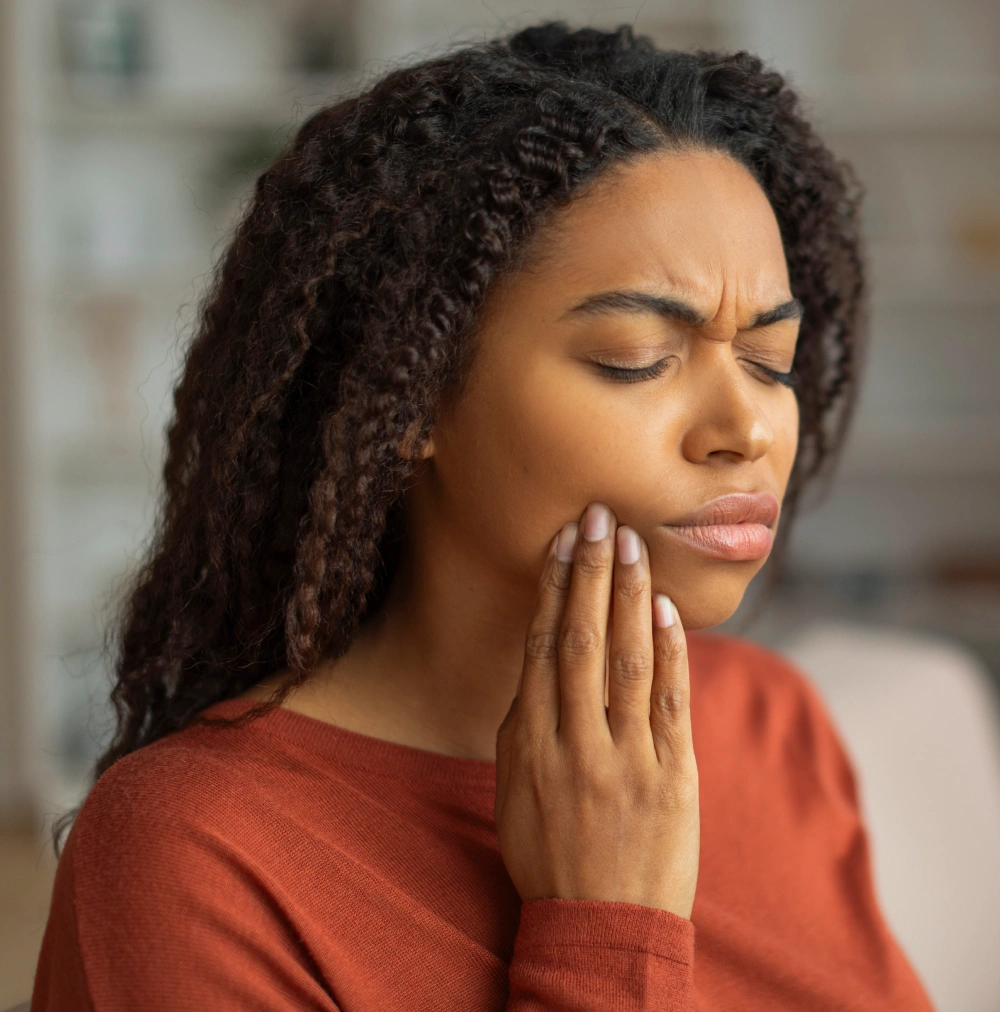
Temporomandibular joint (TMJ) pain can make everyday activities—like talking, chewing, laughing, or even yawning—feel uncomfortable. If you’ve ever noticed jaw soreness, clicking sounds, headaches, or stiffness when opening your mouth, your TMJ may be trying to tell you something.
The good news is that TMJ pain is often treatable, especially when it is identified early. Understanding what’s causing your discomfort is the first step toward finding lasting relief.
At Aura Marcela Torres DDS in Santa Cruz, CA, we help patients identify the cause of jaw pain and provide TMJ therapy in Santa Cruz. Our personalized, conservative treatments are designed to relieve pain, restore comfort, and improve jaw function. Here’s everything you need to know about TMJ pain, its most common causes, and the treatment options available.
What Is TMJ Pain?
The temporomandibular joints are the two small joints located just in front of your ears. These joints connect your lower jaw to your skull and allow your jaw to move up, down, and side to side. They play a vital role in chewing, speaking, and swallowing.
When the joints or the muscles surrounding them become irritated or inflamed, it can lead to temporomandibular disorders (TMD)—a group of conditions commonly referred to as TMJ disorders. Symptoms can range from mild discomfort to persistent pain and limited jaw movement. Health experts note that TMD can involve the jaw joint itself, the chewing muscles, or both.
How Do You Know If You Have TMJ Pain?
TMJ pain doesn’t always feel the same for everyone. Some people experience occasional clicking, while others struggle with ongoing jaw pain and headaches.
Common signs and symptoms include:
- Jaw pain or tenderness on one or both sides.
- Clicking, popping, or grinding sounds when opening or closing your mouth.
- Difficulty chewing or pain while chewing.
- Jaw stiffness or locking.
- Facial pain that spreads to the cheeks, temples, or neck.
- Frequent headaches or earaches without an ear infection.
A painless clicking jaw isn’t always a cause for concern, but clicking combined with pain or limited movement should be evaluated by a dental professional.
Common Causes of TMJ Pain
TMJ pain is often caused by a combination of factors rather than one single issue. Let’s look at the most common reasons your jaw may be hurting.
1. Teeth Grinding and Jaw Clenching (Bruxism)
One of the leading causes of TMJ pain is bruxism, or grinding and clenching your teeth. Many people clench their jaw during sleep without realizing it.
Over time, this constant pressure strains the jaw muscles and places excessive stress on the TMJ, leading to soreness, inflammation, worn teeth, and morning jaw stiffness. Stress can make clenching even more frequent.
2. Stress and Muscle Tension
Stress doesn’t just affect your mind—it affects your muscles too.
When you’re stressed or anxious, you may unconsciously tighten your jaw throughout the day. This muscle tension can trigger TMJ pain, headaches, neck pain, and facial soreness. Learning to recognize and reduce jaw tension is often an important part of treatment.
3. Jaw Injury or Trauma
A fall, sports injury, car accident, or direct blow to the face can damage the jaw joint or surrounding tissues.
Even injuries that happened months or years ago can contribute to chronic TMJ pain by affecting the alignment or movement of the joint. Trauma may also lead to inflammation or damage to the cushioning disc inside the TMJ.
4. Arthritis Affecting the Jaw Joint
Just like knees or hips, the TMJ can develop arthritis.
Osteoarthritis may wear down the cartilage within the joint, while inflammatory arthritis can also affect jaw function. This may cause stiffness, pain while chewing, swelling around the joint, and reduced jaw mobility.
5. Poor Posture and Everyday Habits
Believe it or not, your posture can influence your jaw.
Spending hours looking down at a phone or leaning forward while working at a computer can strain the muscles in your neck and jaw. Other habits that may contribute include chewing gum frequently, biting nails, chewing on pens or ice, and resting your chin on your hand. These repetitive movements can overload the jaw muscles over time.
6. Disc Problems Within the TMJ
Inside each TMJ is a small cushioning disc that helps the joint move smoothly.
If this disc shifts out of position or becomes damaged, the jaw may click, pop, or lock. Some people also experience pain when opening their mouth wide or difficulty fully opening or closing the jaw.
Who Is More Likely to Experience TMJ Pain?
While TMJ disorders can affect anyone, certain factors may increase the risk.
You may be more likely to develop TMJ pain if you:
- Frequently grind or clench your teeth.
- Experience chronic stress.
- Have arthritis or joint inflammation.
- Have had a previous jaw injury.
- Have recurring headaches or facial muscle tension.
Research also shows TMJ disorders are more commonly diagnosed in women than men, particularly during adulthood.
How Is TMJ Pain Diagnosed?
A proper diagnosis is essential because TMJ symptoms can overlap with dental problems, sinus issues, or certain types of headaches.
During a TMJ evaluation, your dentist may:
- Review your symptoms and medical history.
- Examine your jaw movement and bite.
- Check for tenderness in the jaw muscles and joints.
- Listen for clicking or popping sounds.
- Determine whether additional imaging, such as X-rays or an MRI, is needed in certain cases.
The goal is to identify the underlying cause before recommending treatment.
Treatment Options for TMJ Pain
The best treatment depends on what’s causing the pain. Most TMJ cases improve with conservative, non-surgical care.
Conservative At-Home Treatments
Many patients find relief with simple lifestyle changes and self-care.
These may include:
- Eating softer foods for a short period.
- Applying warm or cold compresses.
- Avoiding gum chewing and hard foods.
- Practicing gentle jaw stretching exercises.
- Keeping your jaw relaxed with your teeth slightly apart when resting.
Custom Night Guards for Teeth Grinding
If teeth grinding is contributing to TMJ pain, a custom-fitted night guard may help reduce pressure on the jaw.
Unlike over-the-counter mouthguards, custom appliances are designed specifically for your bite and can improve comfort while protecting your teeth from grinding. <Cite ref=”turn0search3″/>
Physical Therapy and Jaw Exercises
Physical therapy can strengthen jaw muscles, improve mobility, and reduce muscle tension.
Treatment may include stretching exercises, posture correction, massage techniques, and guided jaw movement exercises recommended by your dental provider or therapist.
Medications for Pain Relief
Depending on your symptoms, your healthcare provider may recommend short-term use of anti-inflammatory medications, muscle relaxants, or other medications when appropriate.
Medication is often combined with other treatments rather than used as a long-term solution.
Advanced Treatment for Persistent TMJ Pain
If conservative treatments don’t provide relief, additional therapies may be considered.
In some situations, dentists or specialists may recommend targeted injections, specialized therapy, or referral for further evaluation. Surgery is generally reserved for uncommon structural problems after less invasive treatments have been tried.
Can TMJ Pain Go Away on Its Own?
Yes—many TMJ symptoms improve within weeks with proper self-care and by avoiding habits that strain the jaw. However, persistent or worsening pain shouldn’t be ignored.
Seek a dental evaluation if:
- Jaw pain lasts more than a few days or keeps returning.
- Your jaw locks open or closed.
- Chewing becomes painful or difficult.
- You experience recurring headaches along with jaw discomfort.
- Jaw pain interferes with eating or speaking.
Early treatment often helps prevent symptoms from becoming chronic.
Tips to Help Prevent TMJ Pain
Healthy daily habits can reduce stress on your jaw and lower the risk of recurring TMJ discomfort.
Try these preventive habits:
- Avoid clenching your teeth during the day.
- Limit chewing gum and hard candies.
- Maintain good posture while using computers and phones.
- Take breaks if you spend long hours at a desk.
- Practice stress-management techniques like deep breathing or gentle stretching.
- Wear a dentist-recommended night guard if you grind your teeth.
Small adjustments can make a significant difference in protecting your jaw over time.
Find Relief from TMJ Pain at Aura Marcela Torres DDS
TMJ pain can affect much more than your jaw—it can interfere with eating, sleeping, speaking, and your overall quality of life. The encouraging news is that most TMJ disorders respond well to conservative, personalized treatment when the underlying cause is identified.
At Aura Marcela Torres DDS, we take the time to evaluate your symptoms, identify contributing factors, and create a treatment plan tailored to your needs. Whether your jaw pain is related to teeth grinding, muscle tension, or joint dysfunction, our team is committed to helping you find lasting relief.
If you’re experiencing jaw pain, clicking, headaches, or difficulty chewing, schedule a consultation with Aura Marcela Torres DDS at 706 Frederick St, Santa Cruz, CA 95062. Taking the first step toward treatment can help you enjoy a healthier, more comfortable smile.
Frequently Asked Questions (FAQs) About TMJ Pain
The most common cause of TMJ pain is teeth grinding or jaw clenching (bruxism), especially during sleep. This places excessive pressure on the jaw joints and surrounding muscles, leading to pain, stiffness, headaches, and worn teeth over time. Stress and muscle tension often make clenching worse.
Yes, mild TMJ pain may improve on its own with rest, soft foods, warm or cold compresses, and avoiding habits like chewing gum or clenching your jaw. However, if symptoms persist for more than a few days, become more frequent, or interfere with eating and speaking, it’s important to schedule a dental evaluation.
TMJ pain is often accompanied by symptoms such as jaw clicking or popping, difficulty opening or closing the mouth, facial pain, headaches, ear discomfort, or jaw stiffness. A dentist can examine your jaw joints and bite to determine whether your symptoms are caused by a TMJ disorder or another dental condition.
Yes. Stress can cause people to unconsciously tighten or clench their jaw muscles throughout the day or while sleeping. This extra muscle tension can increase inflammation around the temporomandibular joint and make TMJ pain, headaches, and facial soreness more noticeable.
TMJ treatment depends on the underlying cause. Common treatment options include custom night guards for teeth grinding, jaw exercises, physical therapy, anti-inflammatory medications when appropriate, and lifestyle changes to reduce jaw strain. At Aura Marcela Torres DDS in Santa Cruz, CA, treatment plans are personalized to help relieve pain and improve jaw function using conservative, patient-focused care.