706 Frederick Street, Santa Cruz, CA 95062


Caramel popcorn is a favorite snack for movie nights, festivals, parties, and holiday gatherings. The combination of crunchy popcorn and sweet, sticky caramel makes it hard to resist. But from a dental perspective, this popular treat presents a combination of risks that deserve attention.
Caramel popcorn can affect your teeth in several ways. The caramel contains sugar and tends to stick to tooth surfaces, while popcorn kernels and hulls can become trapped between teeth or place unexpected pressure on dental restorations. That does not mean you have to eliminate caramel popcorn completely. Understanding the risks and knowing how to eat it more carefully can make a meaningful difference.
At Aura Marcela Torres DDS, Dr. Aura Marcela Torres has been serving patients from Santa Cruz and surrounding communities for years. Our approach focuses on helping patients understand everyday habits that influence their oral health so they can make informed choices. If you have tooth sensitivity, discomfort, or concerns about cavities, visit our dental office in Santa Cruz for an evaluation.
Is Caramel Popcorn Bad for Your Teeth?
Caramel popcorn can be harder on your teeth than plain popcorn because it combines three important factors: sugar, stickiness, and hard or crunchy pieces.
Sugar itself does not instantly create a cavity. The problem begins when oral bacteria metabolize sugars and other fermentable carbohydrates. This process produces acids that contribute to mineral loss from tooth enamel. When these acid attacks occur repeatedly, tooth decay can eventually develop.
Caramel creates an additional concern because its sticky texture allows sugary residue to remain in grooves, along the gumline, and between teeth longer than many foods.
The popcorn underneath presents a different type of risk. Hard, partially popped, or unpopped kernels can potentially damage teeth if you bite down on them unexpectedly.
How Can Caramel Popcorn Damage Your Teeth?
1. Sticky Caramel Can Stay on Teeth
One of the biggest problems with caramel is how easily it adheres to teeth.
Unlike foods that are quickly washed away by saliva, sticky caramel may remain around the grooves of molars and between neighboring teeth. This can give cavity-causing bacteria more opportunity to interact with sugars.
This is particularly important in areas that are difficult to reach with a toothbrush.
Eating caramel popcorn slowly over a long movie or throughout an afternoon can also repeatedly expose the teeth to carbohydrates. From an oral health standpoint, how frequently teeth encounter sugar matters in addition to the total amount consumed.
2. Sugar Can Increase the Risk of Tooth Decay
Dental cavities develop through a biological process involving bacteria, carbohydrates, saliva, and tooth structure. When bacteria in dental plaque metabolize carbohydrates, acids are produced.
These acids can cause demineralization, meaning minerals are lost from the enamel.
Saliva helps neutralize acids and supports remineralization. However, frequent sugary snacking can create repeated periods of acid exposure.
People who already have a history of cavities, dry mouth, exposed tooth roots, or difficulty cleaning between their teeth may need to be particularly mindful of frequent sticky sweets.
3. Unpopped Kernels Can Crack or Chip Teeth
The sugar is not the only concern.
An unpopped popcorn kernel can be extremely hard. If you accidentally bite down on one, the sudden force may chip or crack a natural tooth.
Teeth with large fillings, existing cracks, or other structural weaknesses may be especially vulnerable. Dental restorations can potentially be affected as well.
Never intentionally chew unpopped kernels left at the bottom of the bag or bowl. If something feels unusually hard while you are chewing popcorn, stop rather than trying to crush it with your teeth.
4. Popcorn Hulls Can Become Trapped Between Teeth
Anyone who eats popcorn regularly probably knows the uncomfortable feeling of having a thin piece of popcorn hull lodged between two teeth.
Sometimes a hull may also work its way near the gumline and cause localized irritation. You might notice tenderness, pressure, or the persistent sensation that something is caught around a tooth.
Use dental floss carefully to remove trapped debris. Avoid repeatedly digging into the gums with fingernails, toothpicks, or sharp objects because this may injure delicate gum tissue.
If discomfort continues after you believe the popcorn has been removed, a dentist in Santa Cruz can examine the area and determine whether another dental issue is contributing to your symptoms.
Can Caramel Popcorn Damage Fillings, Crowns, or Other Dental Work?
Sticky and hard foods deserve additional caution when you have dental restorations.
Caramel can pull against dental work as you chew, while a hard kernel can create concentrated biting pressure. Whether damage actually occurs depends on factors such as the condition, age, material, and location of the restoration.
You should be particularly cautious if a filling or crown already feels loose or unusual.
If a restoration moves, cracks, or comes off while you are eating, save it if possible and contact your dental office. Avoid repeatedly chewing on the affected side until the tooth has been evaluated.
Does Caramel Popcorn Cause Cavities?
Caramel popcorn does not automatically cause a cavity every time you eat it.
Cavities are multifactorial. Oral hygiene, saliva, fluoride exposure, eating patterns, existing dental conditions, and the frequency of sugar consumption can all influence an individual’s risk.
However, caramel popcorn contains characteristics that can contribute to an environment favorable to tooth decay. Its sugar supplies fermentable carbohydrates, and its sticky consistency can make residue harder to clear from tooth surfaces.
That is why occasional consumption combined with consistent oral hygiene is very different from grazing on caramel popcorn throughout the day.
Is Plain Popcorn Better for Your Teeth?
Generally, plain popcorn without a sugary, sticky coating avoids the additional caramel-related sugar exposure.
However, plain popcorn is not completely risk-free. Hard kernels can still cause mechanical damage, and hulls can still become lodged between teeth.
The preparation also matters. Popcorn covered in sugary coatings introduces additional fermentable carbohydrates, while frequent snacking extends the amount of time food debris is present in the mouth.
If you enjoy popcorn regularly, pay attention to both what is added to it and how you eat it.
How Can You Enjoy Caramel Popcorn More Safely?
You do not necessarily have to stop eating caramel popcorn. A few practical habits can reduce unnecessary exposure and protect vulnerable teeth.
Eat It in One Sitting
Try to enjoy a reasonable portion at one time rather than repeatedly snacking over several hours.
This reduces the frequency of sugar exposure and gives saliva an opportunity to help restore a more favorable environment in your mouth afterward.
Drink Water Afterward
Water can help wash away loose food particles and sugary residue.
After eating caramel popcorn, swish plain water around your mouth and drink some water. This does not replace brushing or flossing, but it is a simple step when you cannot clean your teeth immediately.
Watch for Hard Kernels
Chew carefully and avoid grabbing large handfuls.
Unpopped kernels can hide underneath caramel-coated pieces. Biting slowly makes it easier to recognize something unusually hard before applying full biting force.
Floss Between Your Teeth
Popcorn hulls and caramel can become trapped in areas your toothbrush cannot adequately reach.
Floss gently between your teeth, especially if you feel something lodged there. Slide the floss carefully along the side of each tooth instead of snapping it forcefully into your gums.
Maintain Consistent Oral Hygiene
Regular brushing and interdental cleaning remain important regardless of whether you occasionally enjoy sweets.
Using fluoride toothpaste as directed helps support enamel’s resistance to decay. Your individual dental needs may vary, so ask your dental practitioner about preventive recommendations appropriate for your oral health.
What Should You Do If Your Tooth Hurts After Eating Popcorn?
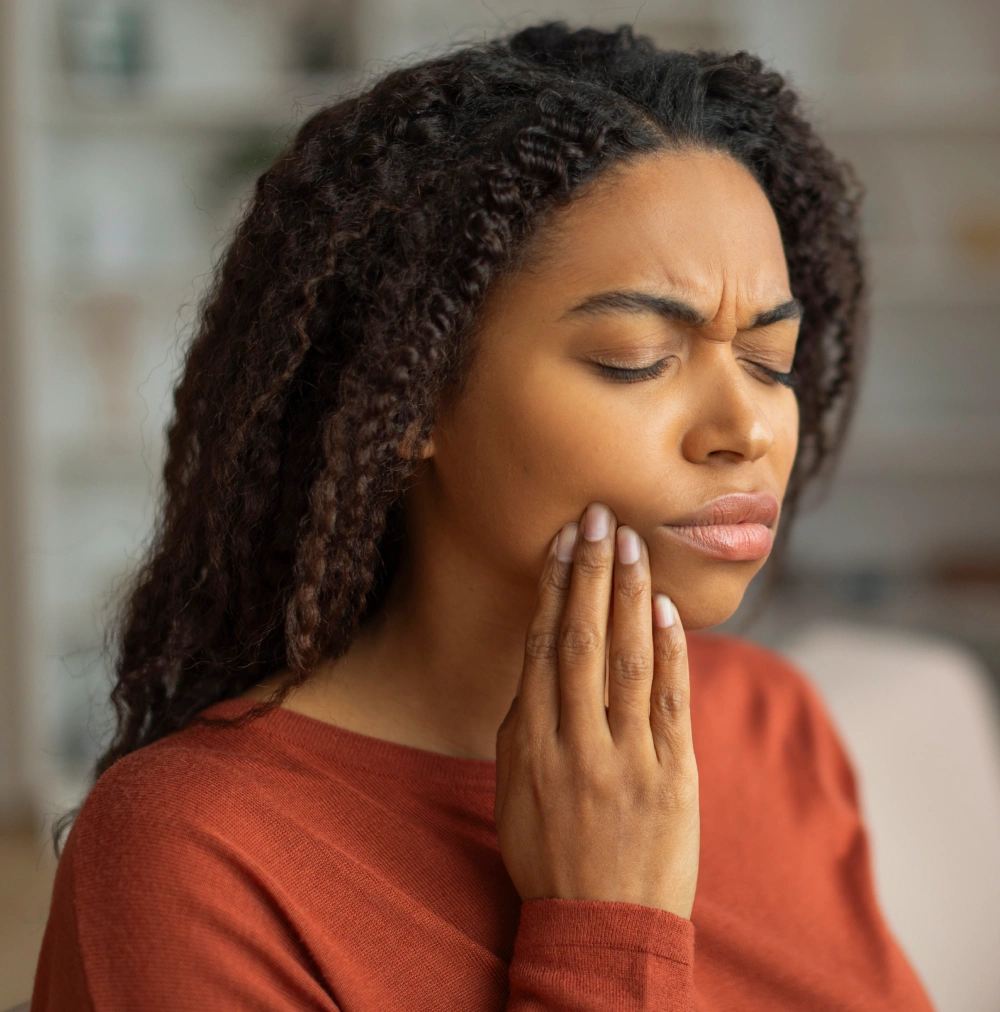
Do not automatically assume pain after eating popcorn is simply temporary sensitivity.
A sudden sharp pain after biting something hard can sometimes indicate a cracked tooth, damaged restoration, or another problem. Pain when biting or releasing your bite deserves particular attention.
You should also watch for:
- Persistent toothache
- New sensitivity to hot or cold
- Pain when chewing
- A rough or sharp tooth edge
- A loose filling or crown
- Swelling around a tooth
- Gum discomfort that does not improve
- The feeling that something remains trapped between teeth
If these symptoms continue, scheduling an examination with a dentist in Santa Cruz can help identify the source before the problem becomes more complicated.
Who Should Be Especially Careful With Caramel Popcorn?
Some people may need to approach caramel popcorn with greater caution.
For example, patients with existing tooth decay, large restorations, cracked teeth, dental sensitivity, or a history of frequent cavities may face additional risks. People who experience dry mouth may also have less natural saliva available to wash away food particles and neutralize acids.
Patients undergoing orthodontic treatment should follow the dietary instructions provided by their dental or orthodontic professional. Sticky foods and popcorn may be restricted with certain appliances because they can become trapped around components or potentially damage them.
Your oral health is individual. Recommendations that work for one patient may not be appropriate for another.
When Should You Visit a Dentist?
You should arrange a dental evaluation if eating caramel popcorn is followed by persistent pain, a chipped tooth, swelling, significant sensitivity, or a damaged restoration.
Even without symptoms, routine dental examinations are valuable because early cavities and small structural problems do not always cause immediate discomfort.
At our Santa Cruz dental office, preventive visits allow us to examine the teeth and gums and identify changes that patients may not notice at home.
If you have been searching for a dentist in Santa Cruz because something feels different when you chew, it is better to have the area examined than to continue placing pressure on a potentially weakened tooth.
Enjoy Your Favorite Snacks Without Losing Sight of Your Oral Health
So, can caramel popcorn damage your teeth? It can contribute to dental problems, particularly when it is eaten frequently or when hard kernels are accidentally bitten. The combination of sticky sugar, crunchy pieces, and popcorn hulls makes it a snack worth enjoying carefully.
You do not need to fear every sweet treat. What matters is understanding how your eating habits interact with your overall oral hygiene, cavity risk, and current dental condition.
If caramel popcorn or another food leaves you with tooth pain, sensitivity, a chipped tooth, or concerns about a restoration, Aura Marcela Torres DDS is here to help. Contact us to Schedule a visit with our dentist in Santa Cruz to have your smile evaluated and receive guidance based on your individual oral health needs.
Frequently Asked Questions
Ans: You can rinse thoroughly with water after eating caramel popcorn to remove loose sugar and debris. Maintain your regular brushing routine with fluoride toothpaste, and remember to floss carefully because sticky caramel and popcorn hulls can remain between teeth.
Ans: Caramel’s sticky texture can place pulling forces on restorations, while hard kernels create sudden biting pressure. A healthy crown should function during normal chewing, but weakened or loose dental work may be more vulnerable to damage while eating popcorn.
Ans: Pain after eating popcorn may result from food trapped between teeth, gum irritation, sensitivity, a damaged restoration, or a cracked tooth. Persistent pain, especially when biting, should be evaluated by a dental professional rather than ignored for long.
Ans: Thin popcorn hulls can become lodged near the gumline and cause irritation, tenderness, or pressure. Gentle flossing may remove the debris. If discomfort, swelling, or the sensation of trapped food continues, arrange a dental examination for proper evaluation.
Ans: Caramel popcorn adds a sticky, sugary coating that plain popcorn does not contain. That increases exposure to fermentable carbohydrates and makes residue more likely to remain on teeth. Both varieties still carry risks from hard kernels and trapped hulls.