706 Frederick Street, Santa Cruz, CA 95062


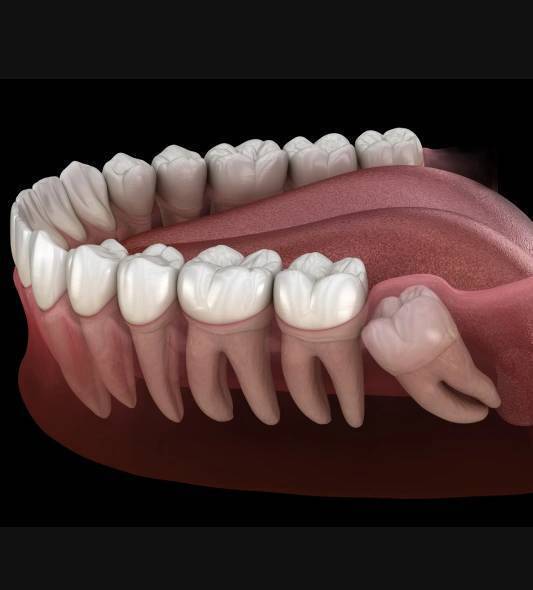
One of the first questions patients ask after having their wisdom teeth removed is, “When can I eat my favorite foods again?” It’s a fair question. Eating is part of your daily routine, and making temporary changes to your diet can feel inconvenient. However, choosing the right foods during recovery is one of the most important steps you can take to promote healing and reduce the risk of complications.
The timeline for returning to your normal diet varies from person to person. Factors such as the number of wisdom teeth removed, whether the teeth were impacted, and how well you follow your dentist’s aftercare instructions all play a role. While many patients can gradually reintroduce regular foods within a week or two, it’s important to let your comfort and healing guide the process.
At Aura Marcela Torres DDS, located at 706 Frederick St, Santa Cruz, CA 95062, we encourage patients to understand each stage of recovery so they can heal comfortably and confidently. Here’s what you can expect when it comes to eating after wisdom tooth extraction.
Why Your Diet Matters After Wisdom Tooth Extraction
After your wisdom teeth are removed, your body immediately begins repairing the extraction sites. Blood clots form inside the sockets to protect the underlying bone and nerves while new tissue develops.
Eating foods that are too hard, crunchy, or sticky too soon can disturb these blood clots, slow healing, or increase the risk of complications such as dry socket.
A soft-food diet during the early stages of recovery allows the extraction sites to heal without unnecessary irritation.
Making careful food choices also helps reduce discomfort while ensuring your body receives the nutrients needed for recovery.
The First 24 Hours: Stick to Soft Foods
During the first day after surgery, your mouth will likely feel tender, and some swelling is completely normal.
Choose foods that require little or no chewing, such as:
- Applesauce
- Yogurt
- Smooth pudding
- Mashed potatoes
- Cottage cheese
- Smooth soups that have cooled slightly
- Protein shakes eaten with a spoon if possible
Drink plenty of water throughout the day, but avoid using a straw. The suction created by straws may dislodge the protective blood clot and interfere with healing.
It’s also best to avoid hot foods and beverages during the first 24 hours, as heat may increase bleeding.
Days Two Through Four: Add More Variety Carefully
As swelling begins to improve, many patients feel ready to expand their diet slightly.
At this stage, you may comfortably add foods such as:
- Scrambled eggs
- Oatmeal
- Soft pasta
- Rice
- Avocados
- Soft cooked vegetables
- Well-cooked fish
- Pancakes
Continue chewing away from the extraction sites whenever possible.
If a particular food causes discomfort, return to softer options for another day or two.
Listening to your body’s signals is one of the best ways to support healing.
Around One Week: Gradually Return to Normal Foods
Many patients notice significant improvement after the first week.
If healing is progressing well and your dentist has no concerns, you may begin introducing firmer foods gradually.
Examples include:
- Chicken cut into small pieces
- Soft sandwiches
- Cooked vegetables
- Pasta dishes
- Ground meats
- Soft fruits
Introduce one new food at a time.
If chewing causes pain or irritation, wait another few days before trying again.
Remember that complete healing beneath the surface continues even after you begin feeling better.
Foods to Avoid During Recovery
Certain foods can interfere with healing or become trapped inside the extraction sites.
Avoid:
- Popcorn
- Nuts
- Chips
- Crackers
- Pretzels
- Sticky candy
- Chewing gum
- Hard bread crusts
- Seeds
- Crunchy vegetables
Small food particles may become lodged inside the sockets, increasing irritation and making cleaning more difficult.
Spicy foods may also cause temporary discomfort while the tissues heal.
Being patient during recovery can help prevent unnecessary setbacks.
Stay Hydrated While Healing
Good hydration supports your body’s natural healing process.
Water helps:
- Keep tissues moist
- Wash away bacteria
- Support overall recovery
- Reduce dry mouth
Avoid:
- Alcohol
- Carbonated beverages during the early stages
- Extremely hot drinks
- Drinking through straws
Sipping water regularly throughout the day is one of the simplest ways to promote comfortable healing.
Every Patient Heals at a Different Pace
It’s important not to compare your recovery with someone else’s experience.
Several factors influence healing, including:
- Your age
- Overall health
- Smoking habits
- Complexity of the extraction
- Number of teeth removed
- Oral hygiene
- Following post-operative instructions
Some patients comfortably resume most normal foods within a week, while others require additional time.
Your dentist will monitor your healing and let you know when it’s appropriate to fully return to your usual diet.
Tips for Eating Comfortably During Recovery
Small adjustments can make meals much easier while your mouth heals.
Helpful tips include:
- Eat slowly.
- Take small bites.
- Chew on the opposite side of your mouth.
- Choose lukewarm foods instead of very hot meals.
- Brush gently after eating.
- Rinse with warm salt water after the first 24 hours if recommended by your dentist.
These simple habits reduce irritation while helping keep the extraction sites clean.
Signs You’re Ready for Regular Foods
Rather than watching the calendar, pay attention to how your mouth feels.
You may be ready to resume your normal diet when:
- Swelling has significantly improved.
- Chewing feels comfortable.
- Bleeding has stopped.
- Jaw movement has returned to normal.
- The extraction sites are no longer very tender.
Even after returning to your regular meals, continue chewing carefully until healing is complete.
There’s no need to rush the process.
What If Eating Still Hurts?
Some discomfort while chewing is expected during the early stages of recovery.
However, if pain becomes severe, suddenly worsens after improving, or is accompanied by swelling, fever, or a bad taste in your mouth, contact your dentist promptly.
These symptoms could indicate:
- Dry socket
- Infection
- Food trapped in the extraction site
- Delayed healing
Early evaluation helps prevent more serious complications and keeps your recovery moving in the right direction.
Why Following Aftercare Instructions Matters
Your recovery depends on much more than simply choosing soft foods.
Successful healing also involves:
- Taking medications as directed
- Avoiding smoking
- Getting adequate rest
- Maintaining gentle oral hygiene
- Attending follow-up appointments if scheduled
These recommendations work together to support healthy healing while minimizing discomfort and reducing the risk of complications.
The extra care you take during the first week often leads to a faster, smoother recovery overall.
Trust Aura Marcela Torres DDS for Compassionate Wisdom Tooth Care
Recovering from wisdom tooth extraction takes patience, but making smart food choices during each stage of healing can help you return to your normal routine safely and comfortably. Starting with soft foods, gradually adding more texture, and following your dentist’s aftercare instructions can reduce complications and support a successful recovery.
At Aura Marcela Torres DDS, conveniently located at 706 Frederick St, Santa Cruz, CA 95062, we are committed to providing personalized care before, during, and after wisdom tooth removal. Our experienced team is here to answer your questions, monitor your recovery, and help you heal with confidence. If you’re experiencing wisdom tooth pain or have been advised to remove your wisdom teeth, schedule an appointment with Aura Marcela Torres DDS today.
Frequently Asked Questions
1. When can I eat solid food after wisdom tooth extraction?
Many patients begin adding soft solid foods within several days and gradually return to their regular diet after about one to two weeks, depending on healing.
2. Can I eat pizza after wisdom tooth removal?
It’s best to wait until chewing is comfortable and your dentist confirms that healing is progressing well. Hard crusts may irritate the extraction sites.
3. Why can’t I use a straw after wisdom tooth extraction?
The suction created by a straw can dislodge the protective blood clot, increasing the risk of developing dry socket.
4. What foods help speed recovery?
Soft, nutritious foods such as yogurt, mashed potatoes, scrambled eggs, oatmeal, soups, and smoothies provide nourishment while protecting the healing areas.