706 Frederick Street, Santa Cruz, CA 95062


Losing a tooth can change more than just your smile. It may affect how you chew, speak, and feel about your appearance. Whether you’ve lost one tooth, several teeth, or an entire row, finding the right replacement can make a big difference in your everyday life.
The good news? Modern dentistry offers several ways to replace missing teeth. Dental implants, implant-supported dentures, dental bridges, and removable dentures are among the most common options. Each has its own benefits, costs, and care requirements.
So, which option is right for you? Let’s take a closer look at how these treatments work and what you should consider before making a decision.
Why Is It Important to Replace Missing Teeth?
A missing tooth may seem like a minor concern, especially if it’s toward the back of your mouth. However, leaving a gap untreated can create problems over time.
Your remaining teeth may gradually shift into the empty space, affecting your bite and making it harder to keep your teeth properly aligned. Missing teeth can also make chewing certain foods uncomfortable and may affect the way you speak.
Another concern is jawbone loss. When a tooth is missing, the bone that once supported its root may gradually shrink because it no longer receives normal stimulation from chewing forces.
Replacing missing teeth can help restore chewing function, support your smile, and prevent some of the complications associated with tooth loss.
4 Common Tooth Replacement Options to Consider
Not every patient needs the same type of restoration. The right solution depends on how many teeth are missing, the condition of your gums and jawbone, your overall dental health, and your personal preferences.
Here are four options worth discussing with your dentist.
1. Dental Implants: A Long-Term Tooth Replacement Option
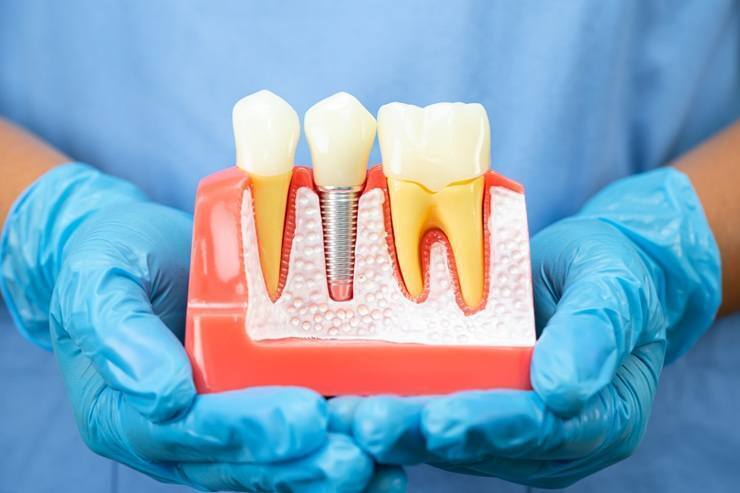
Dental implants are a popular choice for replacing one or more missing teeth. They consist of small posts, usually made of titanium, that are placed into the jawbone to act as artificial tooth roots.
After the implant integrates with the surrounding bone, a custom dental crown is attached to restore the appearance and function of the missing tooth.
Benefits of dental implants:
- Natural appearance: Custom crowns are designed to blend with your surrounding teeth.
- Stable chewing: Implants are secured in the jawbone, so they don’t move around like removable dentures.
- Bone support: Implants transfer chewing forces to the jawbone and can help reduce the bone changes associated with tooth loss.
- No alteration to neighboring teeth: Unlike traditional bridges, individual implants generally don’t require reshaping adjacent healthy teeth.
- Long-lasting results: With proper care, dental implants can last many years, although the crown and other components may eventually need maintenance or replacement.
Are dental implants right for you?
Implants may be suitable if you have healthy gums and enough jawbone to support them. Some patients with insufficient bone may still qualify after additional procedures, such as bone grafting.
The dental implant treatment also requires healing time, good oral hygiene, and regular dental visits. Certain health conditions, medications, and habits, including smoking, may affect treatment planning and healing.
2. Implant-Supported Dentures: More Stability for a Complete Smile
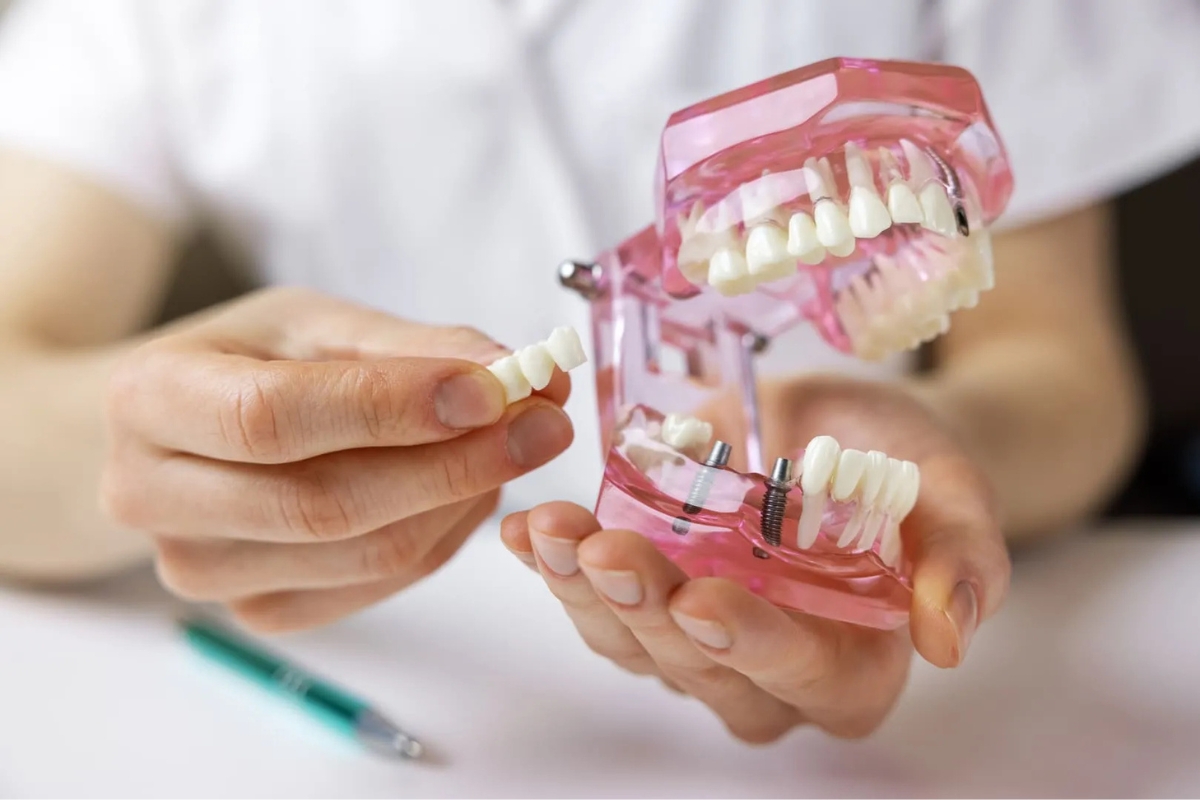
If you’re missing most or all of your teeth, traditional dentures aren’t your only option. Implant-supported dentures combine dental implants with a denture that attaches to them for added stability.
Instead of resting entirely on your gums, the denture connects to implants placed in your jawbone. Depending on the design, it may be removable by the patient for cleaning or fixed in place and removed by a dental professional.
Benefits of implant-supported dentures:
- Better stability: They are less likely to slip or move while eating and speaking.
- Improved comfort: The implants help support the denture rather than relying entirely on your gums.
- More confidence: You may feel more comfortable laughing, talking, and enjoying meals.
- Jawbone support: Implants can help preserve bone in the areas where they are placed.
- Improved chewing function: Their added stability may make eating easier compared with conventional dentures.
What should you consider?
Implant-supported dentures generally involve a higher initial investment than traditional removable dentures. They also require adequate planning, implant placement, healing time, and ongoing maintenance.
If you’re considering this option, ask your dentist whether a fixed or removable design would better suit your needs.
3. Dental Bridges: A Convenient Way to Replace Missing Teeth
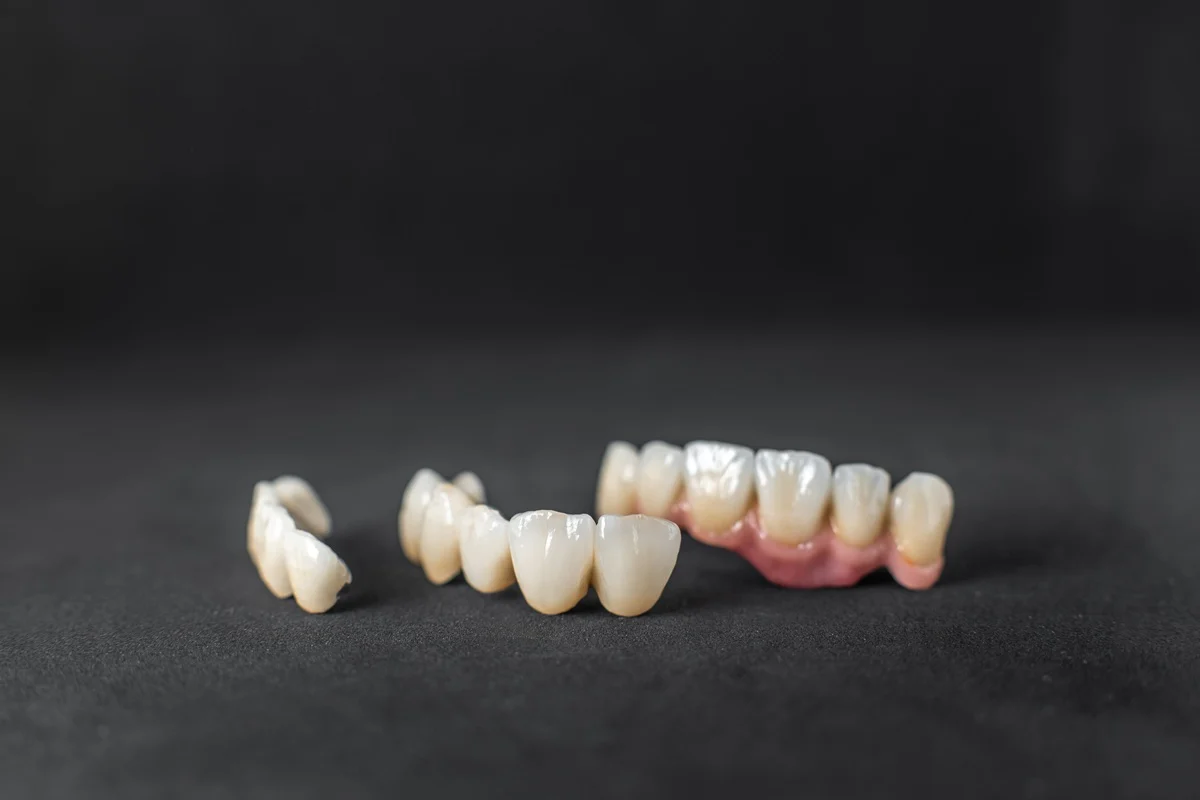
A dental bridge is another common solution, especially when one or more teeth are missing in a row. It uses artificial teeth to fill the gap and is supported by natural teeth or dental implants.
A traditional dental bridge is typically attached to crowns placed over the teeth on either side of the missing space. These supporting teeth are prepared to hold the restoration securely.
Benefits of dental bridges:
- Restores your smile: A bridge fills visible gaps and creates a more complete appearance.
- Improves chewing: It helps restore your ability to bite and chew comfortably.
- Fixed in place: You don’t need to remove it for everyday activities.
- No implant surgery for traditional bridges: This may appeal to patients who prefer a non-surgical option.
- Relatively quick treatment: Traditional bridges generally require less overall treatment time than implant-based restorations.
Are there any limitations?
Traditional bridges usually require reshaping the supporting teeth, even if those teeth are otherwise healthy. They also don’t replace the missing tooth root, so bone loss may continue beneath the gap.
With good oral hygiene and regular dental visits, a bridge can serve you well for many years. Cleaning underneath it is especially important to prevent plaque buildup and protect the supporting teeth.
4. Removable Dentures: An Affordable and Flexible Option
Removable dentures have been used for generations to replace missing teeth. They are custom-made appliances designed to replace several teeth or an entire upper or lower arch.
There are two main types:
- Partial dentures: Replace several missing teeth while fitting around your remaining natural teeth.
- Complete dentures: Replace all the teeth in the upper jaw, lower jaw, or both.
Benefits of removable dentures:
- Budget-friendly: They generally have a lower initial cost than implant-supported options.
- Non-surgical: Traditional dentures don’t require implant placement.
- Custom-made appearance: They are designed to fit your mouth and restore your smile.
- Flexible treatment: Partial or complete dentures can be made depending on how many teeth you’re missing.
- Easy to remove: You can take them out for cleaning and maintenance.
What should you know?
Dentures may feel unfamiliar at first. You might need some time to adjust to speaking and chewing with them. They can also become loose as your jawbone and gums change over time.
Regular adjustments, relining, or replacement may be needed to maintain a comfortable fit. Unlike implants, conventional removable dentures don’t stimulate the jawbone, so bone loss may continue.
If you’re exploring tooth replacement options, visit our dental office located at 706 Frederick St, Santa Cruz, CA 95062, USA, to discuss your needs and learn which treatment may be appropriate for your smile.
Which Tooth Replacement Option Works Best?
There’s no single solution that works for everyone. The best choice depends on your dental condition, budget, lifestyle, and long-term goals.
Here’s a quick comparison to help you understand the differences:
| Treatment | Best suited for | Main benefit |
|---|---|---|
| Dental implants | One or multiple missing teeth | Independent, stable tooth replacement |
| Implant-supported dentures | Many or all missing teeth | Greater denture stability |
| Dental bridges | One or more neighboring missing teeth | Fixed replacement without implant surgery |
| Removable dentures | Several or all missing teeth | Flexible, generally lower-cost option |
During your consultation, your dentist will evaluate your gums, remaining teeth, bite, and jawbone. They can also explain the expected treatment timeline, maintenance needs, and costs of each option.
How Can You Make Your Tooth Replacement Last Longer?
No matter which treatment you choose, proper care plays an important role in protecting your investment.
Here are a few habits to follow:
- Brush twice daily using fluoride toothpaste.
- Clean between your natural teeth and around restorations every day.
- Follow your dentist’s instructions for cleaning dentures or implant-supported restorations.
- Avoid chewing hard objects such as ice and pens.
- Attend regular dental checkups and professional cleanings.
- Contact your dentist if you notice pain, looseness, swelling, or changes in how your restoration fits.
Remember, replacement teeth still need attention. Good daily care helps protect your gums, remaining natural teeth, and dental restorations.
Restore Your Smile With the Right Tooth Replacement Solution
Missing teeth don’t have to keep you from enjoying your favorite foods or smiling with confidence. Whether you need a single dental implant, a bridge, or a complete denture, modern dentistry offers several ways to restore your smile.
At Aura Marcela Torres DDS, Dr. Aura Marcela Torres can help you understand your tooth replacement options and choose a treatment plan based on your oral health and personal goals.
Schedule a dental consultation today to explore your options and take the next step toward a healthier, more complete smile.