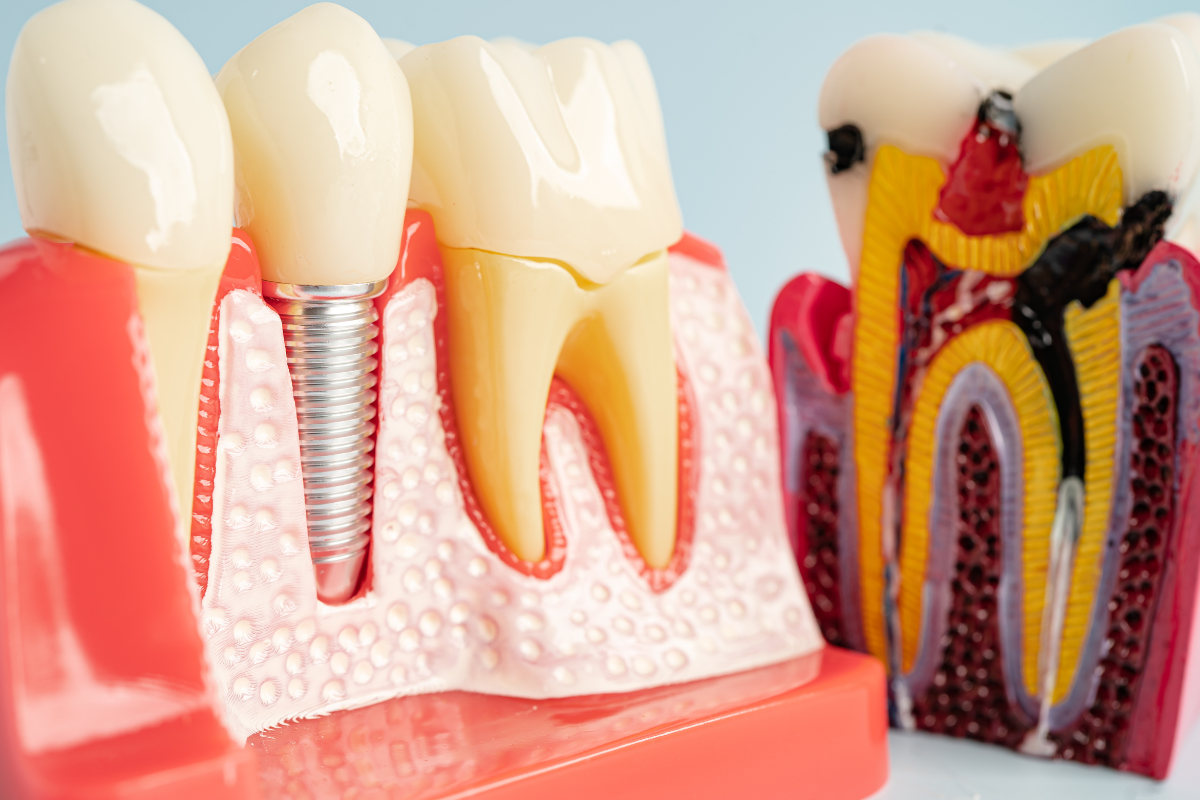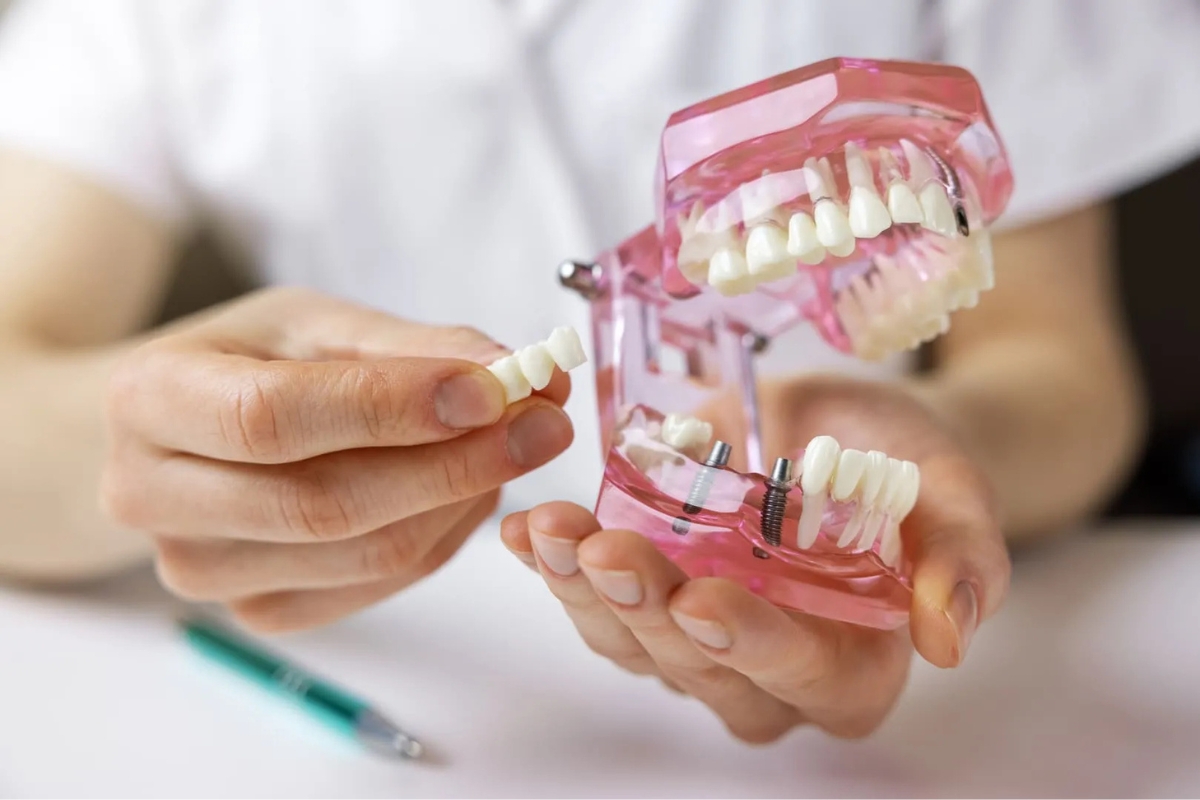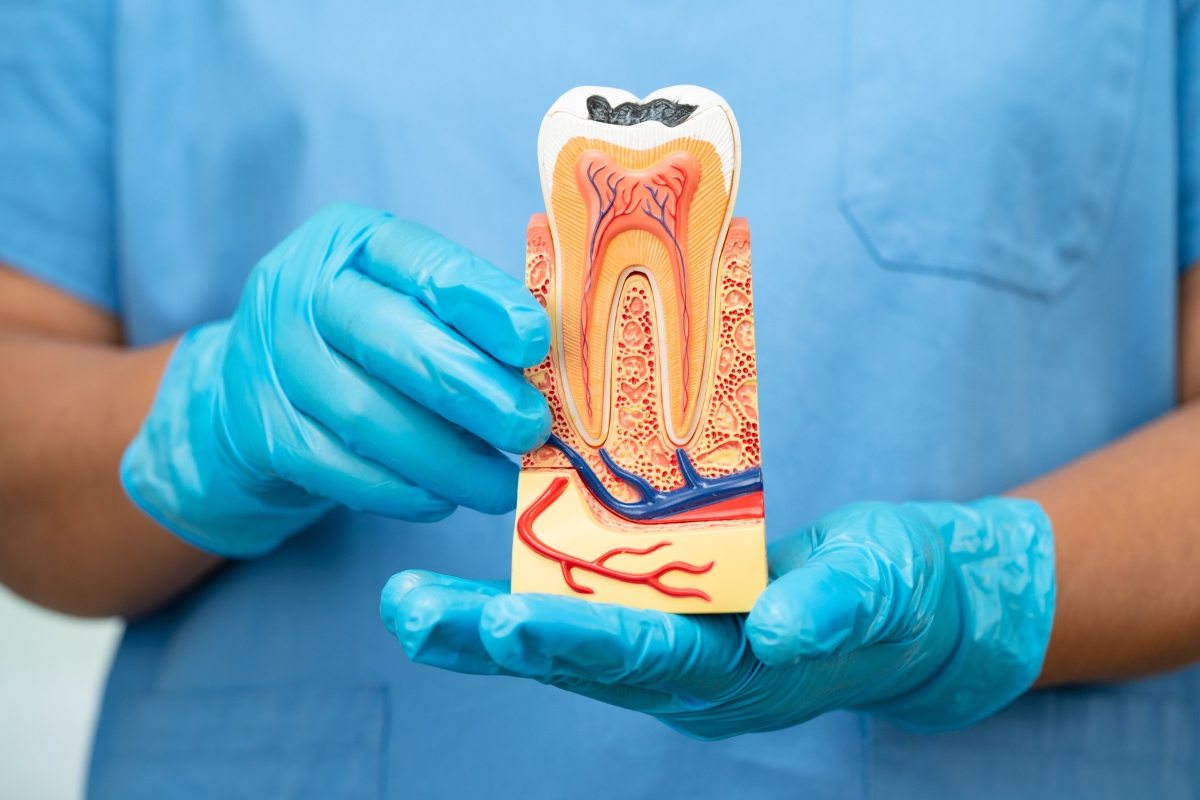

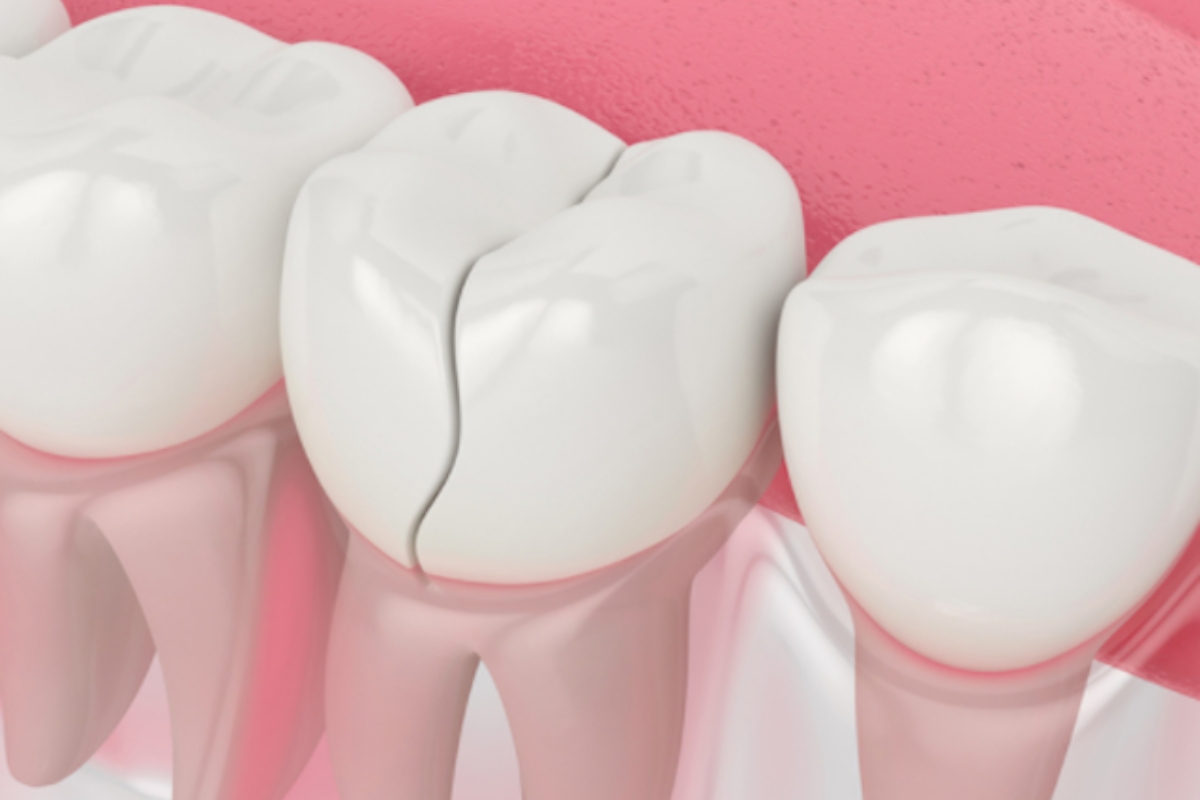
A cracked or damaged tooth can cause discomfort, sensitivity, and real concern about your long-term oral health. Whether the damage happens from biting down on something hard, a failing filling, untreated decay, or gradual wear over time, timely evaluation is essential. Left untreated, structural damage can worsen and affect both function and appearance.
For Santa Cruz residents, whether you’re spending the day near the Santa Cruz Beach Boardwalk, hiking through Henry Cowell Redwoods State Park, or enjoying the views along West Cliff Drive, a healthy, confident smile supports both comfort and daily life. Dental caps are one of the most reliable solutions for restoring strength, protecting remaining tooth structure, and preserving a natural-looking appearance.
If you’re researching dental crowns Santa Cruz, learning how they work and when they’re recommended would make it easy to understand. Learn what to expect during treatment can help you make informed, confident decisions about restoring your smile.
What Is a Dental Crown?
A dental cap is a custom-designed restoration that fully covers a damaged or weakened tooth. It restores the tooth’s shape, size, strength, and appearance while protecting it from further harm. They are commonly recommended when:
- A tooth is cracked or fractured
- A large filling has weakened the remaining structure
- Significant decay has compromised stability
- A root canal has been completed
- Severe wear has altered the tooth’s shape
- Cosmetic concerns affect both function and aesthetics
Rather than removing the tooth, they allow preservation of healthy roots and surrounding bone structure.
Signs a Tooth May Need a Crown
Not every damaged tooth requires a dental cap; however, certain symptoms suggest that evaluation is necessary:
- Pain when biting or chewing
- Sensitivity to hot or cold that lingers
- Visible cracks or fractures
- A broken or worn-down filling
- Swelling or tenderness around a specific tooth
- A tooth that appears darker after trauma
Patients often seek care after noticing discomfort during meals or changes in the appearance of a previously restored tooth. Early assessment can prevent further complications.
How Dental Caps Protect a Damaged Tooth?
A cracked tooth may not always cause severe pain, but microscopic fractures can expand over time. Each chewing cycle places stress on weakened enamel. A crown acts as a protective cap, distributing pressure evenly and preventing crack progression. Benefits of these tooth caps include:
- Reinforcing structural integrity
- Preventing additional fractures
- Restoring natural contour and bite alignment
- Improving cosmetic appearance
- Preserving the natural tooth root
When properly designed and bonded, they function similarly to natural enamel.
Types of Dental Crowns
Advancements in dental materials allow for highly aesthetic and durable options.
1. Porcelain or Ceramic Caps
They closely resemble natural teeth and are commonly used for front teeth. They provide excellent color matching and translucency.
2. Porcelain-Fused-to-Metal (PFM) Crowns
PFM caps offer strength combined with aesthetics. They have a metal core covered with porcelain.
3. Zirconia Crowns
Zirconia is known for its strength and durability. It is often chosen for back teeth that endure higher chewing forces.
4. Gold or Metal Crowns
Less common for visible teeth, metal tooth caps offer exceptional durability and longevity.
The choice of material depends on tooth location, bite force, cosmetic goals, and overall oral health.
The Dental Crown Procedure: Step by Step
Understanding the treatment process helps reduce uncertainty.
1. Comprehensive Examination
A detailed evaluation includes digital X-rays, bite analysis, and assessment of the crack or decay. If infection is present, root canal treatment may be required before the placement.
2. Tooth Preparation
The damaged portion of the tooth is carefully removed, and the remaining structure is reshaped to accommodate the tooth cap. Conservative techniques prioritize preservation of healthy enamel whenever possible.
3. Digital Impressions
Modern dental practices in Santa Cruz often use intraoral scanners instead of traditional impression materials. Digital scans improve precision and patient comfort.
4. Temporary Crown Placement
A temporary cap protects the prepared tooth while the permanent one is fabricated in a dental laboratory.
5. Final Placement
Once the custom tooth cap is complete, it is bonded securely in place. The bite is adjusted to ensure proper alignment and comfort.
The entire process typically involves two visits unless same-day technology is available.
Same-Day Crown Technology
Some Santa Cruz dental practices utilize CAD/CAM technology to design and mill a tooth cap in-office. This allows for single-visit placement.
Benefits of same-day crowns may include:
- Fewer appointments
- No temporary cap
- Digital precision
- Immediate restoration
Technology enhances convenience without compromising quality when appropriate for the case.
How Long Do Dental Crowns Last?
With proper care, a dental cap can last 10 to 15 years or longer. Longevity depends on:
- Oral hygiene habits
- Bite alignment
- Teeth grinding or clenching
- Material choice
- Regular professional cleanings
Although they are durable, they are not immune to wear. Routine dental evaluations help monitor integrity and prevent complications.
Are Crowns Noticeable?
Modern ceramic and zirconia materials allow for highly natural results. Shade matching, contouring, and polishing techniques create restorations that blend seamlessly with surrounding teeth.
In experienced hands, a well-crafted tooth cap enhances aesthetics without appearing artificial. Attention to detail in both laboratory fabrication and final placement contributes to lifelike results.
Risks and Considerations
Dental caps are widely performed and considered safe, but certain factors should be discussed openly:
- Temporary sensitivity after placement
- Rare risk of crown loosening
- Potential need for future replacement
- Importance of avoiding excessive biting forces
Transparent discussion of risks and realistic expectations supports informed consent and long-term satisfaction.
Preventing Future Tooth Damage
After the placement, protective measures help maintain results:
- Daily brushing and flossing
- Avoiding chewing ice or hard objects
- Wearing a night guard if grinding is present
- Regular dental checkups
Preventive care protects both crowned and natural teeth.
Factors to Consider Before Choosing a Dental Crown Provider in Santa Cruz
For patients comparing these dental cap providers, several qualities indicate a patient-centered approach:
1. Clinical Experience
Extensive restorative experience supports accurate diagnosis and long-term durability.
2. Advanced Technology
Digital imaging, intraoral scanning, and high-quality laboratory partnerships enhance precision.
3. Comprehensive Evaluation
A thorough assessment should address bite function, gum health, and overall oral condition, not just the visible crack.
4. Transparent Communication
Clear explanations about materials, costs, and alternatives reflect ethical practice standards.
Selecting a provider involves trust, expertise, and a commitment to preserving natural tooth structure whenever possible.
When Extraction May Be Considered?
In rare cases where a tooth is severely fractured below the gum line, extraction may be necessary. However, these tooth caps allow many damaged teeth to be preserved rather than removed. Early intervention increases the likelihood of saving a compromised tooth.
Frequently Asked Questions
1. Does getting a crown hurt?
Using sedation helps make the preparation process more comfortable. You might experience some mild sensitivity afterward, but don’t worry, it’s usually temporary and clears up soon.
2. Can a cracked tooth heal on its own?
Cracks in enamel can’t mend on their own, but applying a protective restoration can help stop the damage from getting worse. It’s a caring way to keep your teeth healthy and strong.
3. Are crowns covered by insurance?
Coverage can differ depending on your plan. However, the good news is that many insurance policies are happily available to assist when they are deemed medically necessary.
4. How soon should treatment occur after a crack is discovered?
Evaluating prompts can really help prevent fractures from worsening or infections from developing. It is making sure everything stays as safe and healthy as possible.
Final Thoughts On Dental Crown
A cracked or damaged tooth does not automatically mean tooth loss. Dental caps offer an effective, long-term solution that restores strength, protects remaining structure, and maintains natural appearance.
For individuals researching dental crowns in Santa Cruz, a comprehensive evaluation, modern technology, and experienced restorative care are key components of successful treatment. At Aura, Marcela Torres, DDS, you will receive clear communication, thoughtful planning, and attention to both function and aesthetics. Our team will help ensure results that support lasting oral health and confidence. Book an appointment for your treatment.